How scammers use your posts against you
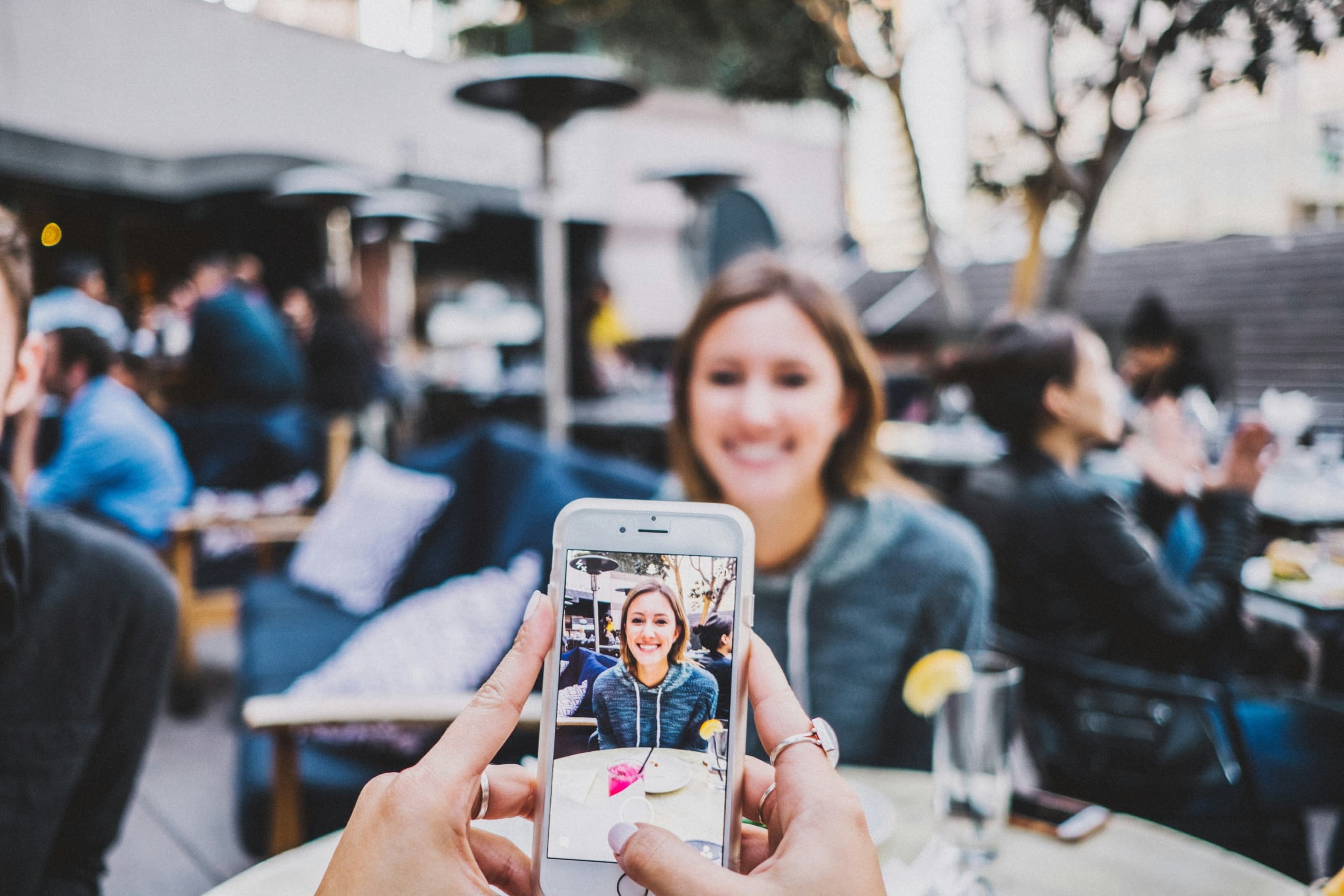
Somewhere right now, a scammer is scrolling through social media, not looking for passwords or bank details, just paying attention to what people post.
None of that information is stolen. It’s public, posted willingly, and often shared in real time.
You don’t need to hand over a password for a scammer to learn something useful about you. Sometimes all it takes is a public profile and a little patience.
Your posts are doing the research for them
A profile picture tells a scammer your face. And a tagged photo shows your kids’ names and the school they attend. None of this comes from a data breach. It comes from your own public account, doing the work for them.
A recent study found that 6 in 10 people have more than a dozen personal details visible online, things like their name, job, birthday, and home address. Scammers build a profile on you by piecing together information you’ve already shared publicly.
Each detail gives a scammer one more piece of the picture before they reach out to you.
Five ways scammers turn your feed into a script
Every detail you post becomes a building block that scammers can use in different ways. Here are five common tactics that turn your everyday updates into their next scam.
Using what you already shared
A phishing email that mentions your employer by name feels genuine. It reads as if it came from someone who actually knows you, not a random scammer casting a wide net. That small detail is often enough to lower your guard.
That’s what makes these scams so convincing. You already believe the information because it’s true, so it’s easier to trust the person who repeats it back to you.
Waiting until you’re away
A vacation post tells everyone you’re having a great time. It also tells anyone watching that your house is empty and will stay that way for a while. That single detail turns a simple travel photo into useful information for a scammer or even a burglar.
Timing matters as much as the information. A scammer who knows you’re traveling can pose as your bank or child, asking for urgent help, betting you’re distracted or hard to reach.
Targeting the people you love
A scammer uses a grandchild’s school or a family photo as a script. A call saying your grandson is in trouble sounds convincing when the caller knows his name and college.
Family details carry a kind of trust that other information doesn’t. You’re far more likely to act fast when a message involves someone you love. Scammers count on that instinct, and your public posts often supply exactly what they need to trigger it.
Cracking your security questions
Your first pet or your high school mascot sounds like harmless conversation starters. They also happen to be common answers to account recovery questions. A scammer who reads through years of your posts can piece together answers you assumed only you would know.
This is why security questions built on public information offer less protection than they seem to. The details feel personal, but if you’ve shared them online, they’re no longer private.
Turning your details into convincing messages
A phishing text that mentions your recent purchase reads very differently from a generic one asking you to click a link. The added detail makes the message feel routine instead of suspicious, and that’s exactly the point.
This is the final step in the process. All the small pieces scammers gather from your posts come together into a single message that sounds like it belongs in your inbox.
What families should lock down first?
Around 4 in 5 people post enough personal information to give a scammer what they need to launch an attack. That doesn’t mean social media is the problem. It means the line between sharing your life and sharing information scammers can exploit is often thinner than people realize.
A few small habits close that gap.
- Reviewing who can see your posts and adjusting settings to friends only
- Leaving children’s school names and daily schedules out of captions and bios
- Waiting until a trip is over before posting vacation photos
- Talking with teens about what they share and who might be watching
These small habits keep the details that matter most a little more private.
Your privacy is part of your protection
Staying connected online and staying safe don’t have to be mutually exclusive. A few thoughtful adjustments to what you share, and who you share it with, go a long way toward keeping scammers from turning your own posts against you.
MERENA, your free cyber advisor, can help you build these habits over time, offering plain guidance on privacy settings and everyday online risks.
The details you share are yours to control, and so is the risk that comes with them.