A 10-minute social media privacy checkup
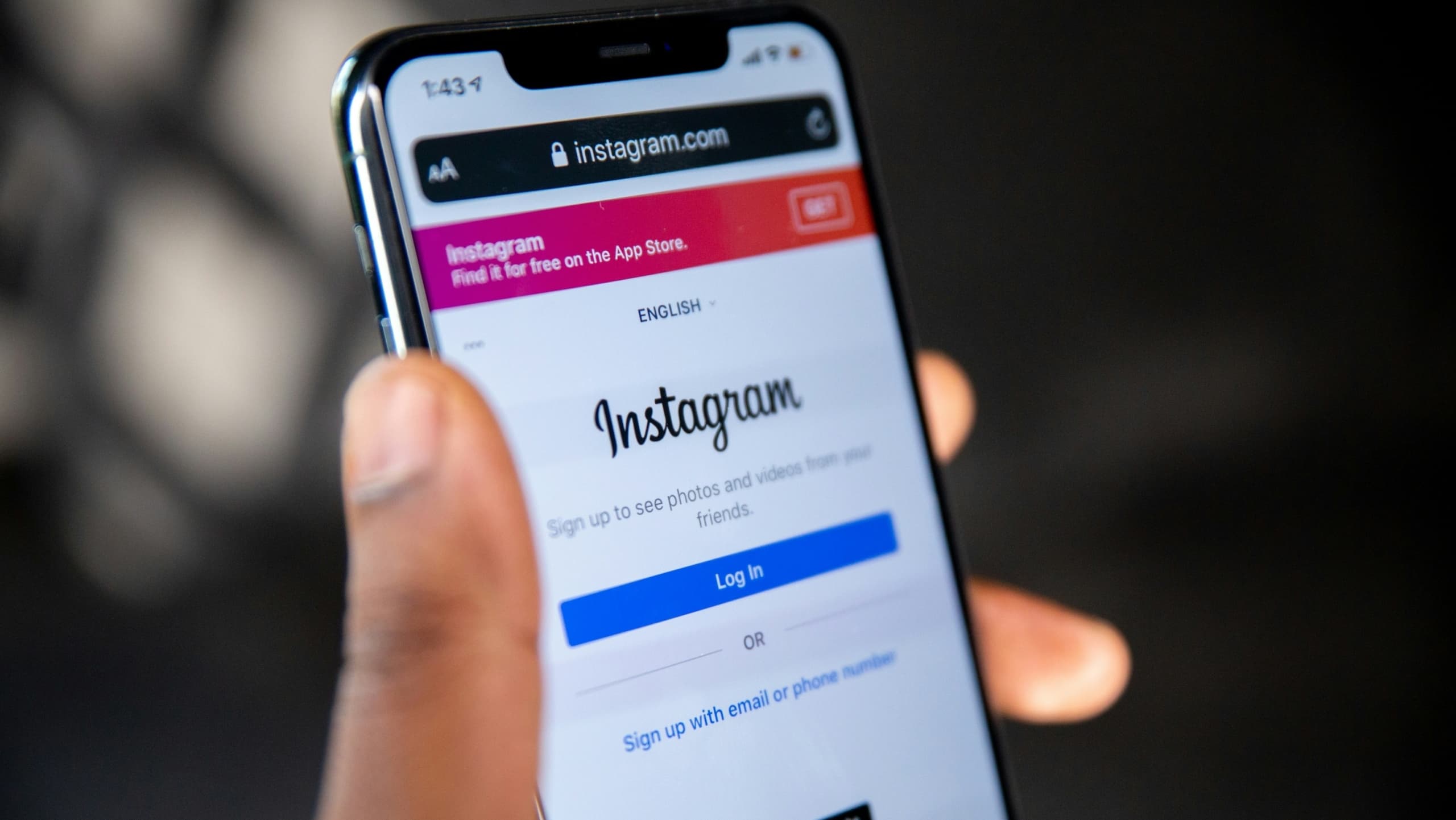
You post updates and photos without a second thought. But when did you last check who can actually see them?
Social media platforms regularly change their privacy settings. A setting you turned on last year might not work the same way today. Old posts you forgot about are still sitting there, visible to whoever has access.
The fix takes just ten minutes.
Privacy is about choosing your audience
Privacy settings let you choose your audience, but your current setup may not reflect your intentions. When more information is visible than you realize, it becomes easier for scammers to gather details they can use. In fact, one in four people who lost money to fraud since 2021 said it began on social media.
A few things quietly work against you:
- Default settings usually favor visibility, making your information public by default. This increases the risk that important details are available to anyone until you manually restrict them.
- Not all followers get the same access, and it’s easy to lose track of who falls into which group.
- Scammers actively comb public profiles for personal details.
Most people don’t intentionally leave their profiles exposed. They simply haven’t checked their settings in a while.
Your 10-minute checkup
There are five quick checks here. You won’t need to download anything or be a tech expert to complete them.
Work through them in order, or jump to the one that worries you most.
Minute 1-2: Who can see your posts
Start with your audience settings. Check whether your posts default to public or friends-only, and confirm your stories match that same setting.
Then look back. Old posts often carry different privacy settings than the ones you use today. You want to share with the audience you intend, not everyone on the internet.
Minute 3-4: What your profile gives away
Open your profile and look at it the way a stranger would. Your phone number, email address, birthday, hometown, employer, school, and family relationships might all be in plain view.
None of these needs to be public to stay useful to you or your friends. The less personal information available, the less scammers have to work with.
Minute 5-6: Clean up your friend and follower list
Scroll through your friend or follower list and look for names you don’t recognize. Fake accounts often slip in quietly, sitting unnoticed for months or years.
Clear out pending requests, too, and think twice before accepting one from someone you’ve never met. Not every profile is who it claims to be.
Minute 7-8: Turn off location sharing you don’t need
Location tagging, check-ins, and live location features all tell people exactly where you are right now. Even photos can carry hidden location data that most people never think to check.
Save vacation posts for after you get home, not while you’re still there. Real-time location says more than most people mean to share.
Minute 9-10: Check who else has access to your information
Your privacy isn’t determined only by your social media settings. Connected apps and websites you’ve authorized over the years may still have access to parts of your profile, even if you haven’t used them in a long time.
Review the apps connected to your account and remove any you no longer recognize or need. For the ones you keep, limit permissions to only what’s necessary. It’s an easy way to reduce who can access your information behind the scenes.
Treat privacy like regular maintenance
This checkup isn’t a one-time fix. The settings you review today can change over time as platforms update features and privacy options.
A few moments to revisit them keeps you ahead of those changes:
- Run through your settings every few months, not just once a year.
- Recheck after any major platform update, since new features often reset old preferences.
- Review privacy settings again whenever you create a new account or add a new app.
Treating privacy like routine maintenance means smaller check-ins. A few minutes here and there keep your information under control.
What families should check first?
If you have kids or teens on social media, their settings deserve the same attention as yours, maybe more.
A few places to start:
- Review settings together: Sit down with your kids and go through their privacy settings, so they understand the choices, not just the outcome.
- Talk about public profiles: Teens often underestimate who can actually see what they post.
- Check family photos: Look at who can view photos that tag the location or include your kids’ school or routine.
- Remove extra details: Full birthdates and hometowns don’t need to be public.
Information visible to strangers today could easily become a scam attempt tomorrow, so a family checkup protects more than just one account.
You decide what stays private
In just 10 minutes, you moved your personal information out of reach of people who shouldn’t have it.
You don’t have to change how you use social media to improve your privacy. You still share what matters and connect with who you care about. The only difference is that you know exactly who’s watching.
If a suspicious login attempt or data leak ever hits your radar, MERENA sends you a real-time alert and tells you exactly what to do next.