
Safer Together: Making Online Safety a Family Habit
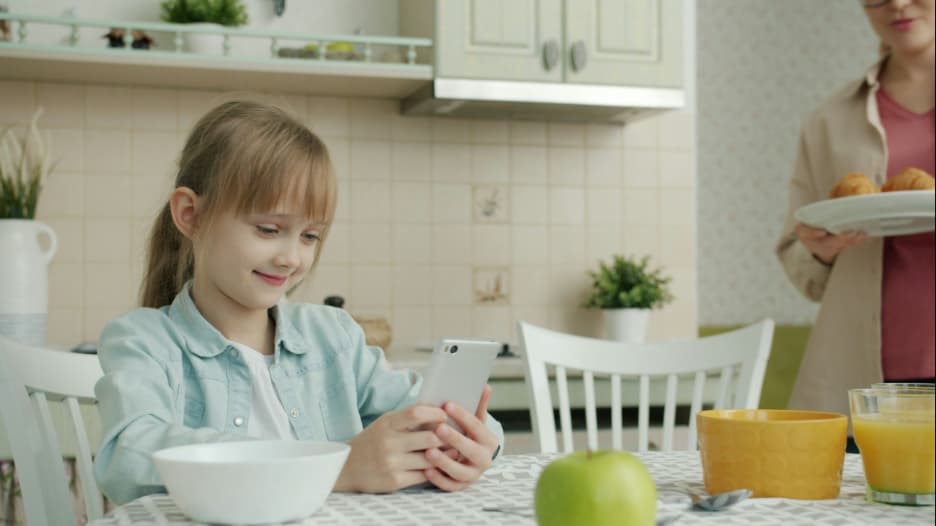
Your family’s day starts online, before anyone says good morning. To you, it’s just a normal morning.
But what your teenager or any child needs to protect themself looks nothing like what your parents need to protect themselves, and neither looks like what you need to protect yourself.
That’s where family online safety starts. It’s not one person watching over everyone, but a household and family paying attention together to create a safer online life
No Two People Under Your Roof Are Online the Same Way
Your age changes what you do online. And your habits affect what’s at risk. That’s why every generation in your family faces different threats.
Kids & Teens
Kids use a lot of their time online for talking and staying in touch. They are often in school accounts, games, and group chats. Those spaces can bring them into groups you cannot really see well or guide in the same way.
The main worry at this stage is simple. A child can meet someone who can contact them right away and often privately. It does not matter which app it starts in, you just may not know. They can also fall for a scam to buy the latest game, baseball card, makeup, or purse, and by the time you find out, the money is gone, and your credit card is compromised.
Parents & Heads of Household
Your accounts run the household. They handle everything from banking and bill payments to healthcare and everyday purchases, and most of it sits behind login pages you use regularly.
If something goes wrong with your account, the trouble does not stop with you. It can also affect people who rely on the same accounts, logins, and networks.
Grandparents
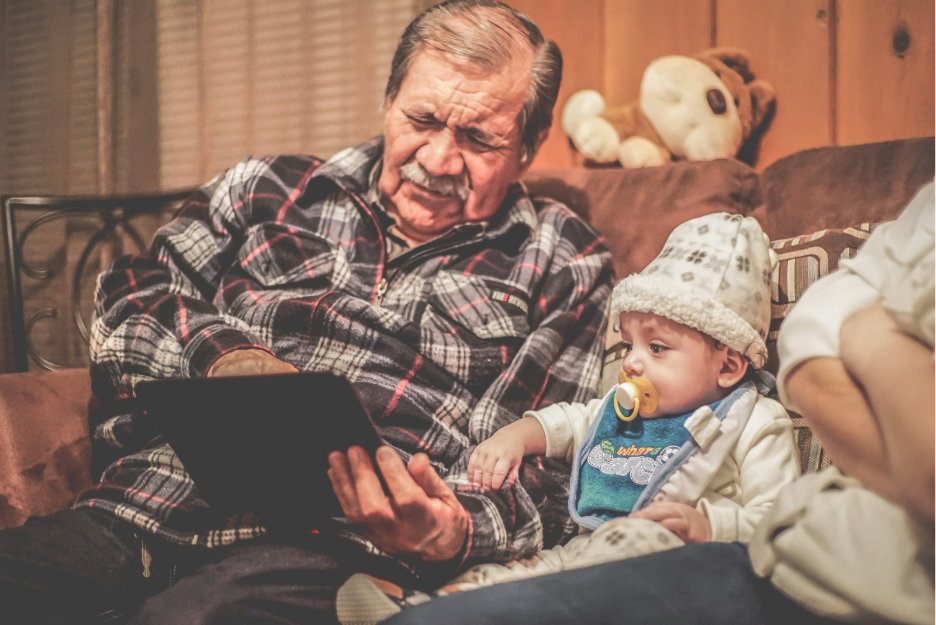
Many older people live by themselves. A number of them use technology every day, pay bills online, reply to emails, use Facebook, or hop on video chats to see their grandkids.
Scammers target that independence directly. The risk convincing the person to trust messages that feel personal.
Four Habits That Protect Your Family
Every generation faces a different risk, but the response can be the same. A few habits work for teenagers, parents, and grandparents alike.
Talk About What’s Happening Online
A strange text, email, or account warning can pose some uncertainty at first. But it often loses its grip once your family talks about it. Nearly one in three parents have never talk with their kids about staying safe online.
Walk each other through checking a suspicious message, instead of solving it for whoever finds it. That habit builds confidence everyone can use.
Some Accounts Need More Protection
Not every account carries the same risk. Some help guard your money. At the same time, others keep your personal details in order. And some let trouble spread fast, especially if someone gets in.
Start with:
- Banking and financial accounts
- Healthcare portals
- Any account tied to your child’s school or identity
Secure these right away. Pick a strong password that you do not reuse. Turn on multi-factor sign-in too. Then move on to the rest.
Make “Pause and Verify” a Habit
Some urgent messages only want you to react quickly. They push you to reply before you even catch your breath. You might see it in a request for money or a password that you did not ask for. If it feels rushed, treat it as a warning sign.
Take a moment before you respond. Check where the message came from and confirm the request through a source you already trust. If it asks for money, a password, or other sensitive information, go directly to the app or website instead of using the link or contact information in the message.
Share What You Find
A scam one person spots protects everyone else who hears about it. Mention the strange text you got at dinner. Ask if anyone else received that same “your account is locked” email.
This kind of casual sharing spreads recognition through your whole household, faster than any single person could catch on their own. Online safety works better as a shared habit.
The Safest Families Builds Habits Before They Need Them
Good habits begin in small ways. They grow through practice. After that, they feel normal. That is how many family routines work.
- Pick one habit at a time, not all four at once.
- Attach it to something you already do, like checking accounts on payday.
- Mention it out loud when the moment shows up. Say it each time. This turns it into a real habit.
- Revisit your protections every few months, not just after something goes wrong.
- Let every family member take part, not only the person who set it up.
Small, repeated actions build protection you can count on later.
One Place Beats a Dozen Logins and Guesswork
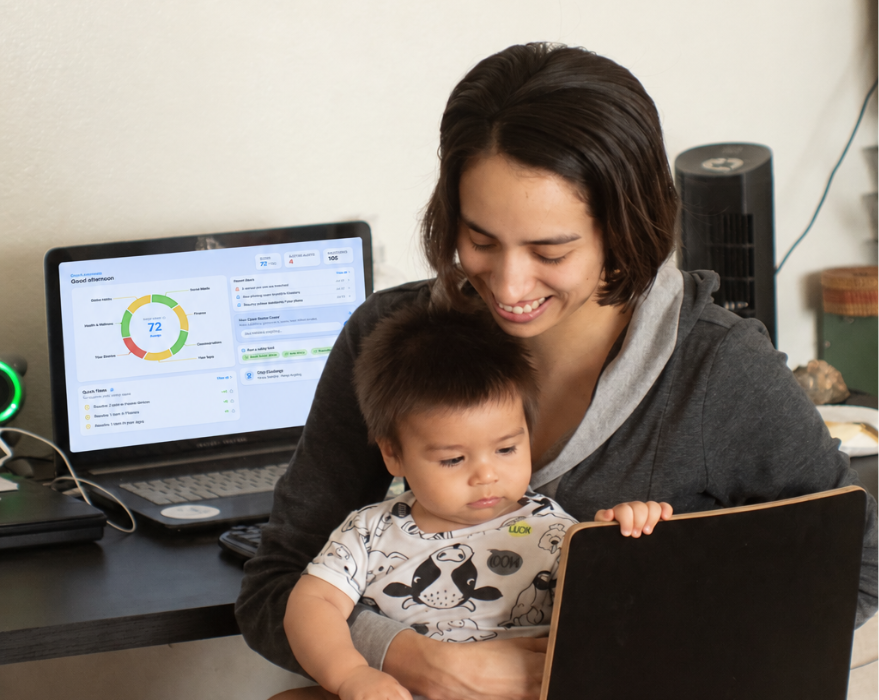
Every family member protects their own accounts, but no one has an easy way to see the whole picture, since each account lives in a different app with a different login.
The MERENA+ Family Plan closes that gap. Instead of asking each person if something looks off, you get one place where your whole household’s alerts show up, tailored to each person.
The goal isn’t for one person to keep tabs on everyone else. It’s for every household member to build the same confidence, together.